Daffodil Prayers for Lenten Journeys

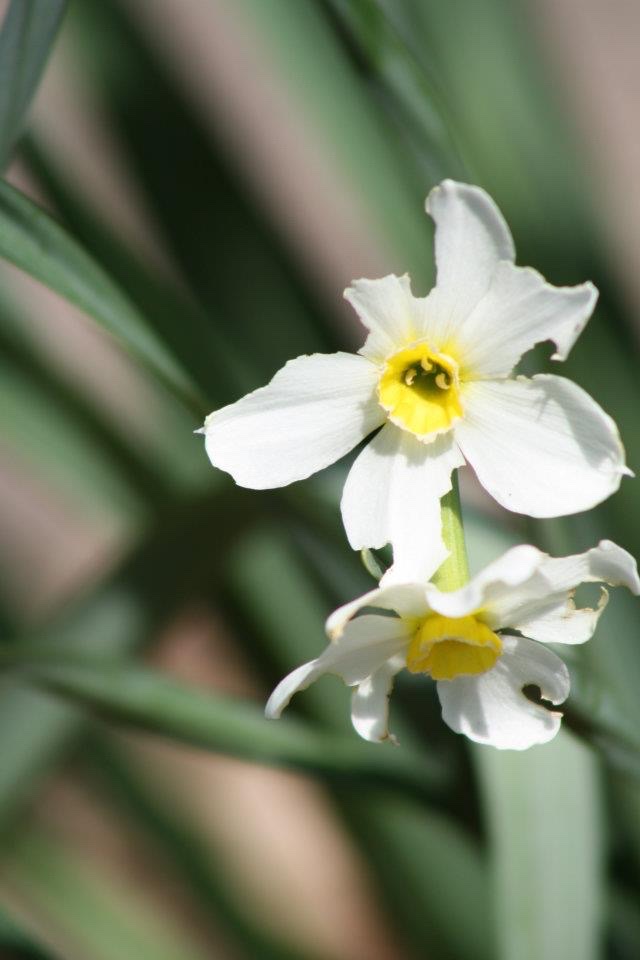
“Daffodil with Scars,” by Sheila G. Hunter, used by permission

“Rejoice with joy, you that have been in sorrow.”  Isaiah 66: 10-11

Sunday, March 14, is the four Sunday of Lent. In some traditions, the fourth Sunday of Lent is called “Laetare Sunday.” Laetare means “rejoice.” To some, this may sound peculiar. Why is there a “Rejoicing Sunday” in the midst of Lenten introspection, fasting, and austerity? 

The exact midpoint of Lent is the Thursday of the third week of Lent; thus, the fourth Sunday of Lent was viewed historically and still is in some traditions observed as a day of celebration. Linked to an ancient mid-March Roman festivals called the hilaria (related, of course, to the word “hilarious”), Christians viewed Laetare Sunday as a day when the somber disciplines of Lent were lessened. Laetare is also known in some places as Refreshment Sunday or Holy Humor Day or Laughter Sunday and liturgies include moments for recalling the joy of the Lord in the midst of Lenten penitential pilgrimages.

So it is that the School of Divinity in mid-March and at the midpoint of this year’s Lenten season pauses for some respite days, a time of refreshment in the midst of the semester’s regular rhythms of work, study, and learning.

As we look toward Easter and the second half of the spring term, may we be encouraged by the justice-making, liberation-giving, love-birthing light of God.

“Daffodil Prayers for Lenten Journeys”

“Dip your aching toes
in cool waters,”
said Summer to the
wilderness
wandering
woman.

“Tease your tastebuds
with blackberries. Lay
your weary body down
on gentle meadow
grass. Breathe in the
soft sweetness of coral
honeysuckle where
hummingbirds drink
and dance.”

“Blush with pride,”
said Autumn
to the old maple tree.

“You earned it. You
shaded the little girl who
held summer stars
in her eyes
while she
sat beneath your branches
and read
and read
and read
once upon a times into
dreams into
fierce hopes for the future.”

“Bend toward hope
when icy winds blow,”
said Winter
to the fragile-seeming ones.

“Bend, but don’t break.
You are stronger than you know.
You are resilient.
You are enough.”

“To push your shoulders
up, up, up,”
said Spring.

“Up through still-cold
greening sod to
fragrance the dawn
with daffodil prayers.
With Our Eyes on the Sparrows

A Lenten Learning Community Reflection

“I Know She Watches Me” — Crainshaw

We are approaching the halfway mark of the spring semester, and I want to celebrate the perseverance and resilience of Wake Div students. Zoom conversations in my classes and in other meetings with students have been substantive and thought-provoking.

Thank you, students, for contributing in powerful ways this semester to a vibrant learning community.

Striking to me in particular has been a spirit of wisdom and caring that penetrates through Zoom windows to enliven what we are studying and learning together. The palpable quality of this spirit reminds and calls me to what I consider to be important Gospel work in these days.


God’s eye is on the sparrow, and I know God watches me.

Civilla D. Martin, 1905

God holds the sparrows and us—each and every one of us humans—in God’s eyes. 

Our local and global human communities face many tests in these Covid-19 crisis moments. A test question I consider most critical to our future flourishing is this:  Will we hold the sparrows in our eyes as we make decisions about numerical bottom lines? 

This question dwells at the heart of what I believe is the Gospel. Perhaps now is our time, as communities of faith, to do what we have not done in Gospel spirit and truth across our collective history. Perhaps now is the time to learn to care for each and every person and in particular for those who have been and are most vulnerable. Perhaps now is the time to keep our eyes on the sparrows and from that vantage point wrestle with the complex moral questions that are arising out of the mist with each new pandemic-plagued day.

In this, for me, nests our hope–that even as God cares for us, we are called to care for each other. Yes, God is calling us in these days–“keep your eyes on the sparrows.” I pray that we will have the wisdom and courage to do just that, in the name of the One who creates, redeems, and sustains us and our world.


With Our Eyes on the Sparrows

keep your eye on the sparrow
she says as she watches my face

sparrows? 

burrowed into church eaves
nesting in the backyard camellia bush

fence picket perchers fussing in
damp dirt behind a too-full raincatcher

no stand-out solo serenades or fiery
flashes like cardinals in springtime

no soaring hawk-winged shadow puppets
sickling dew-drenched summer grass

a copper coin for a pair of sparrows
jesus said as he watched their faces

sparrows?

the creating-one knows every wing-beat
fashions and fastens every feather

delights in each hair on each head
relishes every strand silvered by winter suns

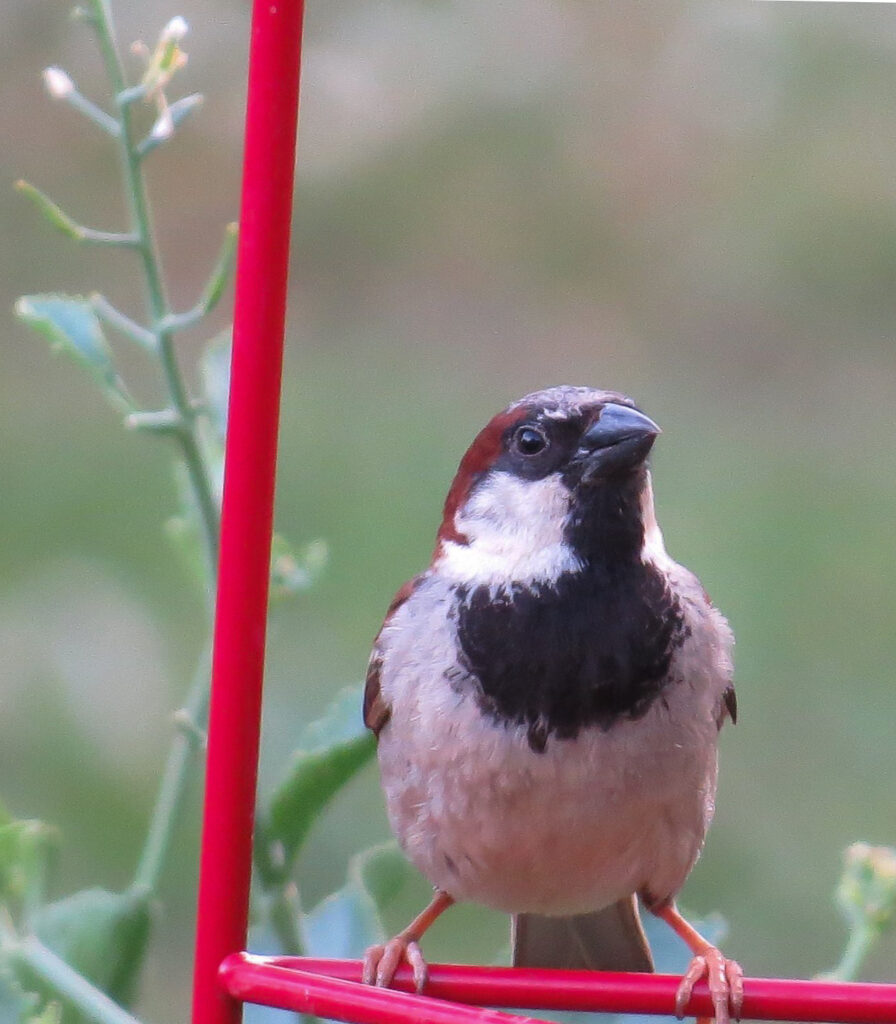
so i watch today as a plucky sparrow
sits on the deck rail and watches me

i imagine being able to fly away—
to escape sorrows gone viral

she nods a gentle blessing
i think i’ll keep my eyes on you

Thrive!

Some thoughts on renewing our lives as we journey through lent

Isaiah 35:1-2 is one of my favorite Lenten texts:

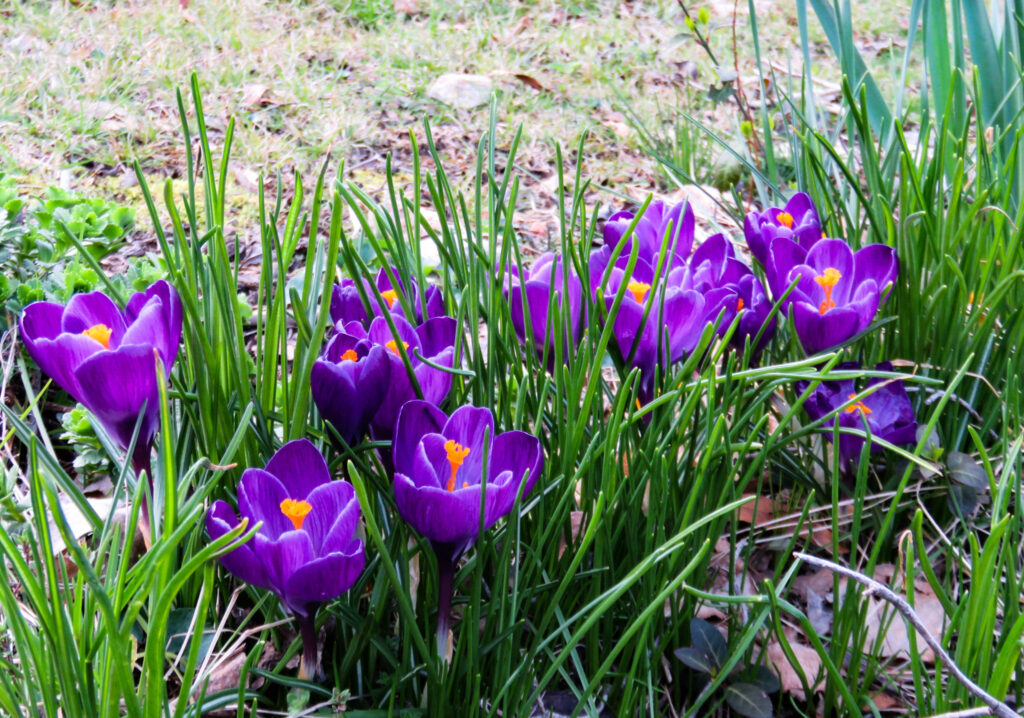
“The wilderness and the dry land shall be glad; the desert shall rejoice and blossom; like the crocus, it shall blossom abundantly, and rejoice with joy and singing.”

As we consider crocus blooms in Lent’s desert places, perhaps we can also imagine new or unexpected ways to continue to thrive in this season of wilderness wa(o)ndering.


Have you ever felt like you want to reboot and reimagine your professional or personal life?

We all experience those spans of time when we realize we need to get unstuck or disentangled from something in order to thrive in our personal and professional lives.

In my work with mid-career professionals, I have learned some strategies for thriving that are valuable for people at any stage of life. Here are five keys to thriving:

T ruth-telling

H umor

R espect

I magination

V oice

E ngagement

Vital to thriving is to become honest about who we are and what we want for our lives. We need to become truth-tellers, in particular about our own desires and needs. While this is serious work, doing it with a sense of humor helps lighten the load. Generous, authentic, and hospitable laughter is a gift. And some of our efforts to get untangled from sticky webs? Humorous.

Respect for self and others is also a gift. And it is essential to thriving.

Respect for self means paying attention to our needs. Respect means listening to our hearts. Respect means affirming our value.

Respect for others is also essential. We do not travel professional roads alone. Hospitality toward co-travelers builds healthy networks of relationship and support.

What do we envision for our lives and relationships when we let loose our imaginations? What possibilities do we see for our workplaces? Imagination and transformation are dance partners in this thriving work.

Again, we have to listen to ourselves if we want to thrive. What is my voice telling me about my life? What wisdom is my voice speaking about my wounds? About the journey ahead?

The beauty and power of listening for my voice? When I pay attention to my most authentic voice, I become more open to hearing the voices of others. We thrive when we engage the people around us in healthy ways. And we contribute to the thriving of others.

I invite you to consider some concrete strategies you have embodied to thrive in your professional and personal lives. You can learn more about these five keys in my fall 2020 publication Thrive: How professionals 55 and over can get unstuck and renew their lives. I am also glad to brainstorm with you and hear your wisdom about thriving. Reach out to me at crainsjy@wfu.edu.