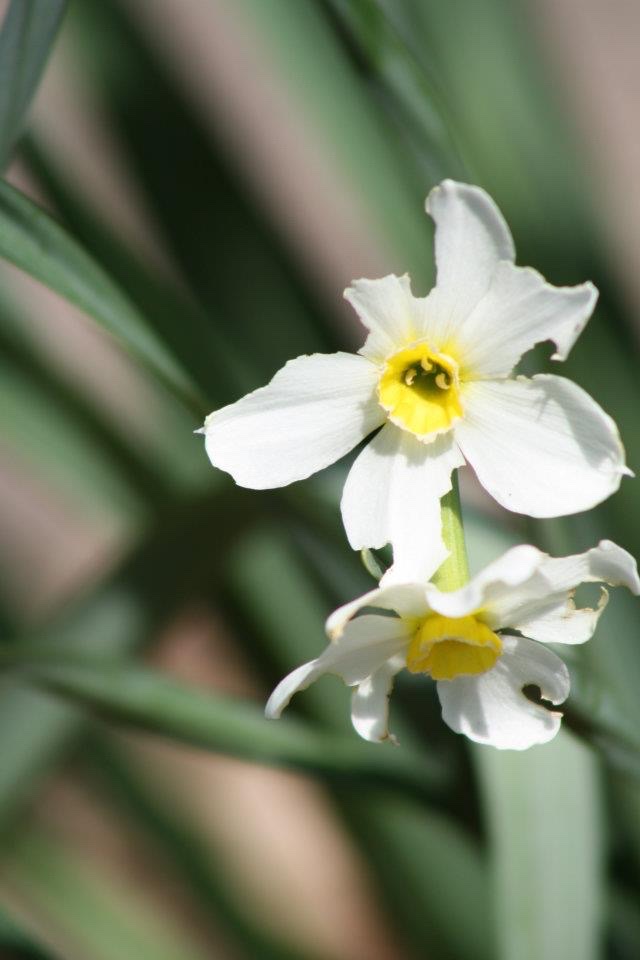
“Rejoice with joy, you that have been in sorrow.” Isaiah 66: 10-11
Sunday, March 14, is the four Sunday of Lent. In some traditions, the fourth Sunday of Lent is called “Laetare Sunday.” Laetare means “rejoice.” To some, this may sound peculiar. Why is there a “Rejoicing Sunday” in the midst of Lenten introspection, fasting, and austerity?
The exact midpoint of Lent is the Thursday of the third week of Lent; thus, the fourth Sunday of Lent was viewed historically and still is in some traditions observed as a day of celebration. Linked to an ancient mid-March Roman festivals called the hilaria (related, of course, to the word “hilarious”), Christians viewed Laetare Sunday as a day when the somber disciplines of Lent were lessened. Laetare is also known in some places as Refreshment Sunday or Holy Humor Day or Laughter Sunday and liturgies include moments for recalling the joy of the Lord in the midst of Lenten penitential pilgrimages.
So it is that the School of Divinity in mid-March and at the midpoint of this year’s Lenten season pauses for some respite days, a time of refreshment in the midst of the semester’s regular rhythms of work, study, and learning.
As we look toward Easter and the second half of the spring term, may we be encouraged by the justice-making, liberation-giving, love-birthing light of God.
“Daffodil Prayers for Lenten Journeys”
“Dip your aching toes
in cool waters,”
said Summer to the
wilderness
wandering
woman.
“Tease your tastebuds
with blackberries. Lay
your weary body down
on gentle meadow
grass. Breathe in the
soft sweetness of coral
honeysuckle where
hummingbirds drink
and dance.”
“Blush with pride,”
said Autumn
to the old maple tree.
“You earned it. You
shaded the little girl who
held summer stars
in her eyes
while she
sat beneath your branches
and read
and read
and read
once upon a times into
dreams into
fierce hopes for the future.”
“Bend toward hope
when icy winds blow,”
said Winter
to the fragile-seeming ones.
“Bend, but don’t break.
You are stronger than you know.
You are resilient.
You are enough.”
“To push your shoulders
up, up, up,”
said Spring.
“Up through still-cold
greening sod to
fragrance the dawn
with daffodil prayers.